Costs are rising again.
Fuel. Labor. Materials. Transportation.
The instinct is predictable:
Cut costs. Raise prices. Push for efficiency.
But most companies don’t have a cost problem.
They have a decision problem.
What a Cost Problem Looks Like
On the surface, it feels like a cost issue:
- Margins are tightening
- Expenses are increasing
- Customers resist price increases
- Profitability becomes harder to maintain
These are real pressures.
But they are symptoms – not root causes.
Where Costs Are Actually Created
Costs rarely originate from a single bad decision.
They accumulate through:
- Delayed decisions
- Unclear ownership
- Constant escalation
- Exceptions to standard processes
- Rework caused by misalignment
None of these show up clearly on a financial statement.
But they show up everywhere in execution.
Why This Gets Worse Under Pressure
When costs rise externally, internal systems are tested.
And most organizations respond by:
- Pulling more decisions upward
- Adding oversight
- Slowing down approvals
- Increasing control
The result?
More bottlenecks.
More friction.
More delay.
And ironically – more cost.
The Real Constraint
In most mid-market organizations, the constraint isn’t labor.
It isn’t pricing.
It isn’t even demand.
It’s leadership capacity – expressed through how decisions are made.
When decision rights are unclear:
- Everything escalates
- Speed decreases
- Accountability blurs
- Costs expand
When decision rights are clear:
- Execution accelerates
- Rework drops
- Teams operate independently
- Margins stabilize
What Strong Organizations Do Differently
They don’t just “manage costs.”
They design how decisions are made.
That includes:
- Clear decision ownership
- Defined escalation boundaries
- Aligned expectations across teams
- Reduced dependency on leadership for routine decisions
They remove friction before trying to remove cost.
A Practical Perspective
You may not control:
- Inflation
- Labor markets
- Supplier pricing
But you do control:
- How decisions are made
- How quickly they happen
- Who owns them
- How consistently they’re executed
That’s where cost is either created – or contained.
Final Thought
You don’t solve rising costs by reacting faster.
You solve them by making better decisions – earlier, and with clarity.
Because most cost problems aren’t financial.
They’re structural.
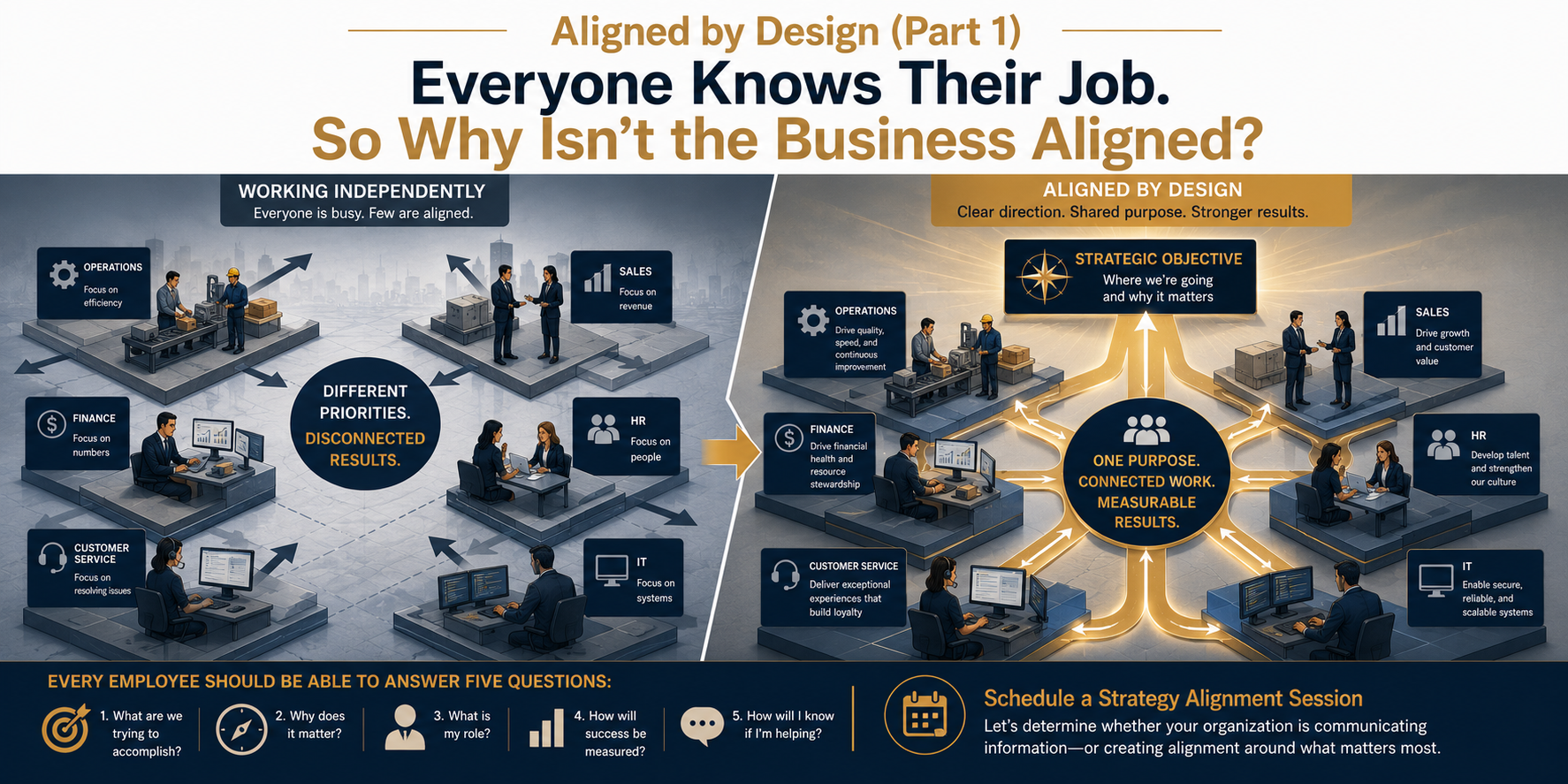
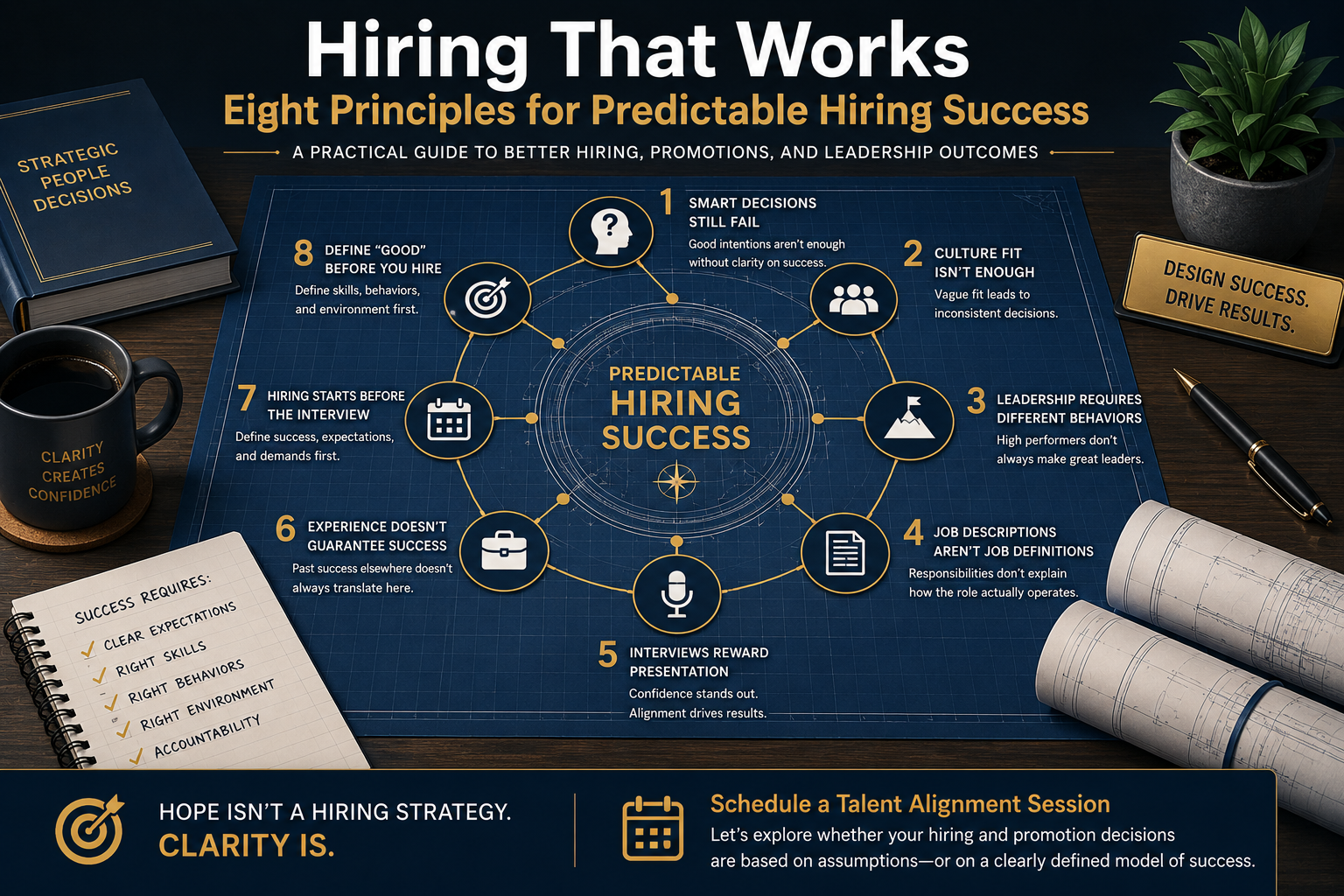
📅 [Schedule a Strategy Alignment Session]
Let’s determine whether rising costs are the issue – or how decisions are being made inside your organization.